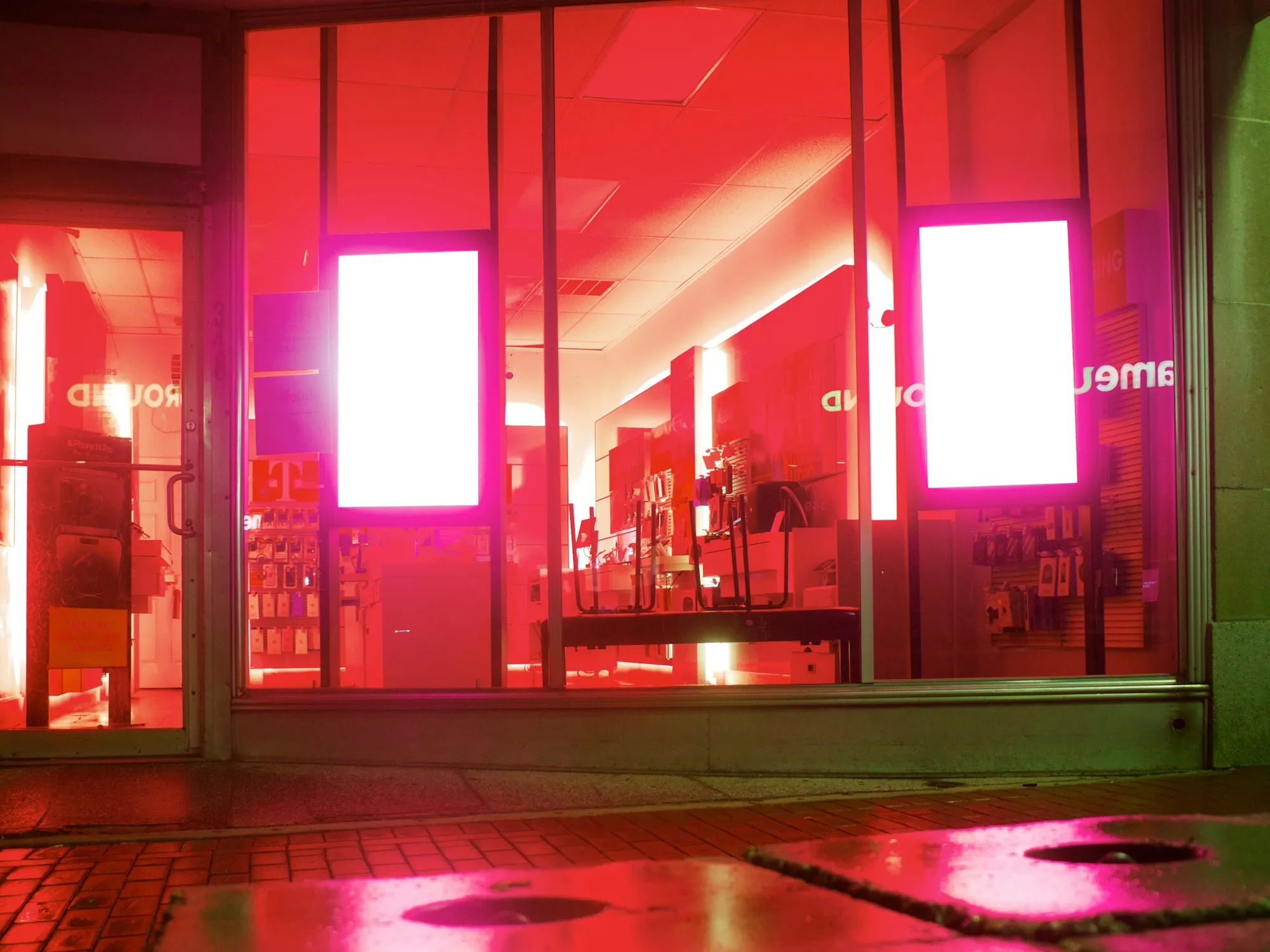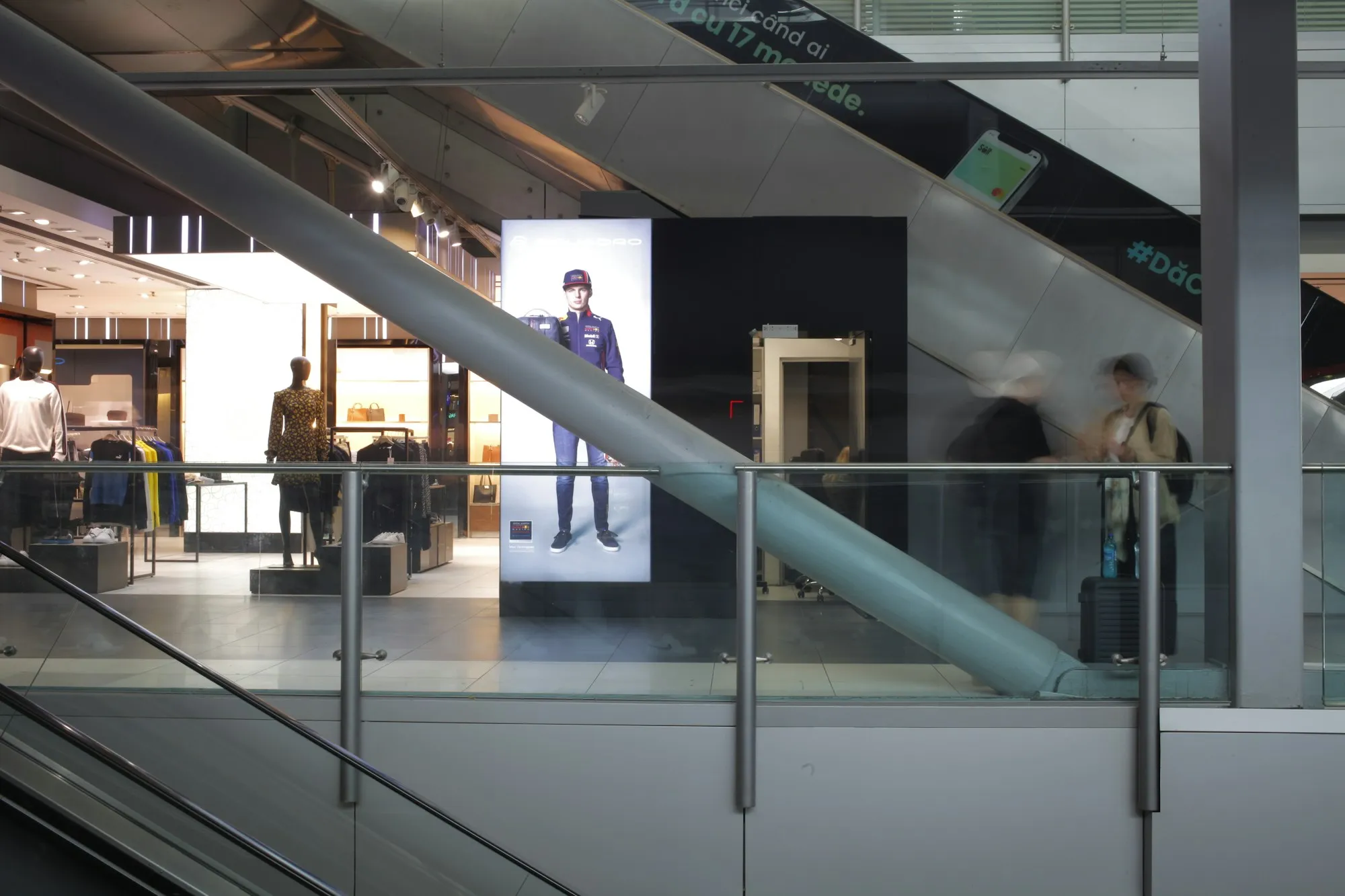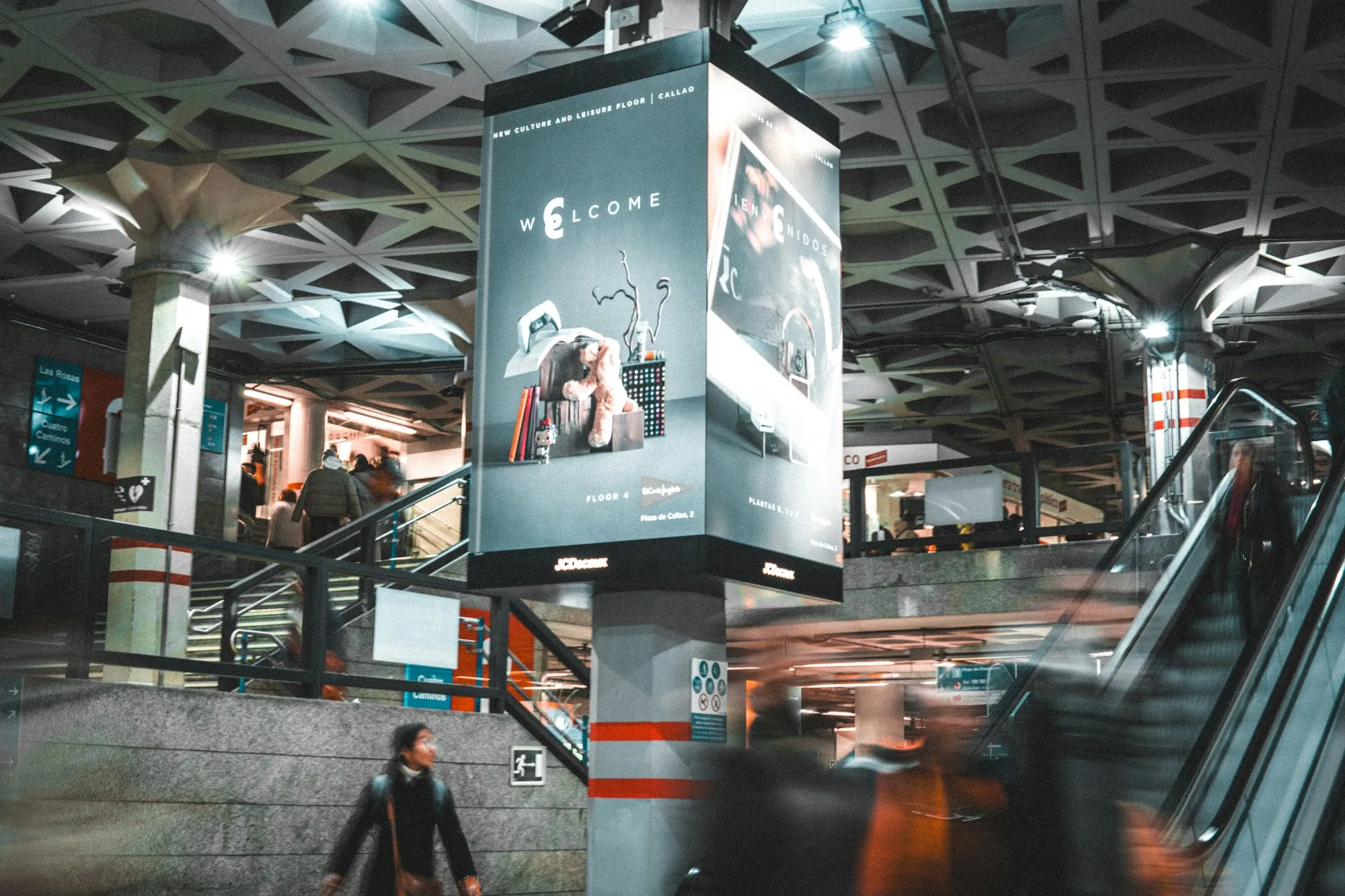
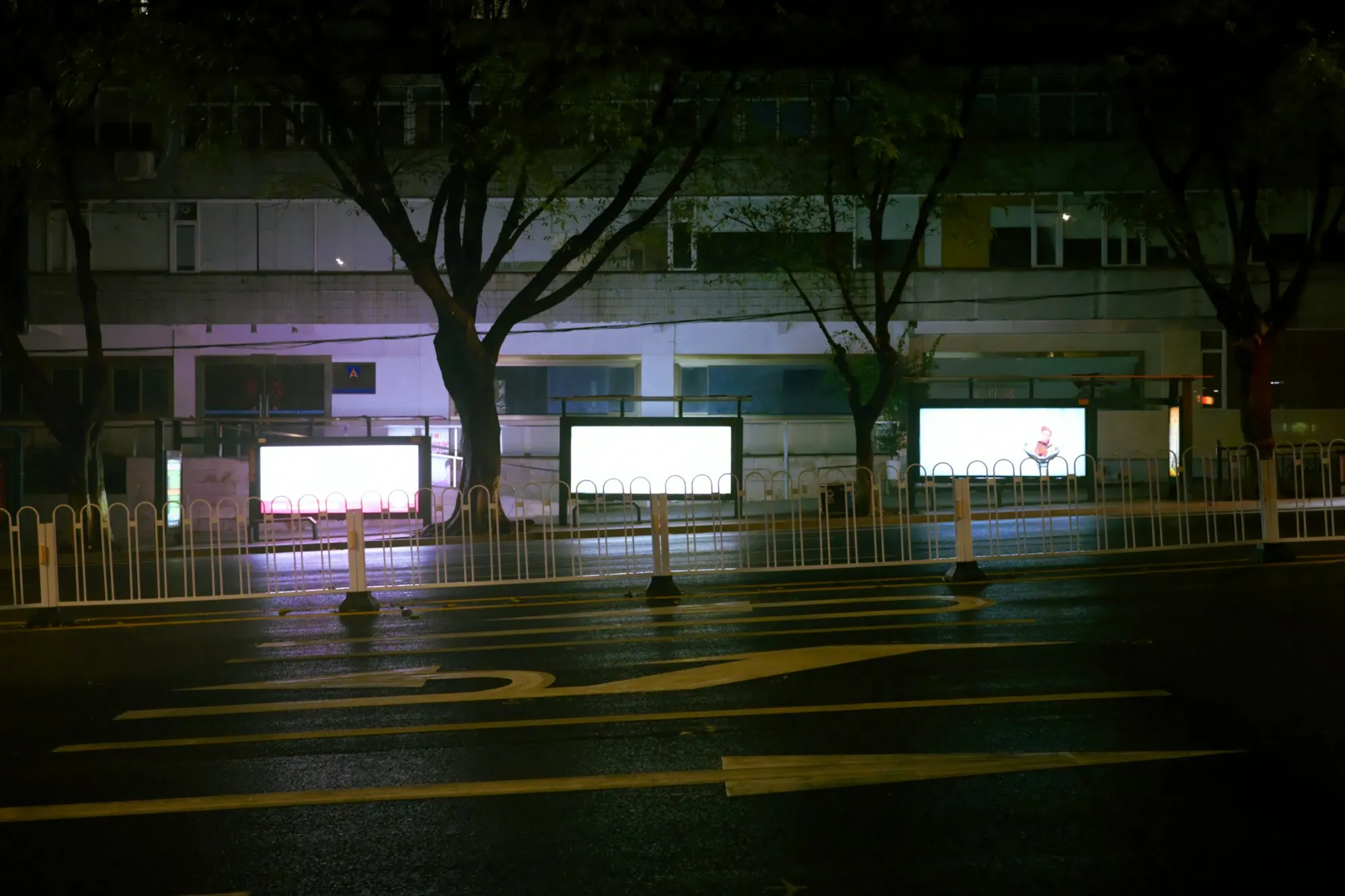
Outdoor advertising LED screens
Project context
The core tension is long-running operation, changing environment, service cost and display result. Customers care about brightness, stable refresh, long cable runs, protection, power, module replacement and on-site maintenance.
Control hardware focus
Sending link, receiving-side load, module interface, power headroom, temperature monitoring, port protection, start-up recovery and factory test. FPGA can carry real-time display timing and data distribution; MCU can carry state management, brightness policy, fault records and the service interface.
How the work runs
Confirm screen size, pixel pitch, cabinet layout, content source, installation environment and service method early; define chain architecture, board scope, interfaces and test points next; then run bring-up, test patterns, long-run, temperature-rise and recovery checks on the prototype.
Validation points
- Display stability across brightness and refresh conditions
- Long-run operation, restart and power-loss recovery, temperature rise
- Receiving-side ports, module output and cable connection checks
- Production test pattern, fault records and version identification